


 English
  Français
  Tiếng Việt
  Italiano
  Nederlands
  Türkçe
  Svenska
  Polski
  Română
  Latviešu
  한국어
한국어  Русский
  Español
  Deutsch
  Українська
  Português
  العربية
  Indonesian
  Čeština
  Suomi
Suomi  Eesti
Eesti  Български
  Dansk
Dansk  Lietuvių
  Bokmål
  Slovenčina
  Slovenščina
  Ελληνικά
  Magyar
  עברית
עברית  বাংলা
বাংলা 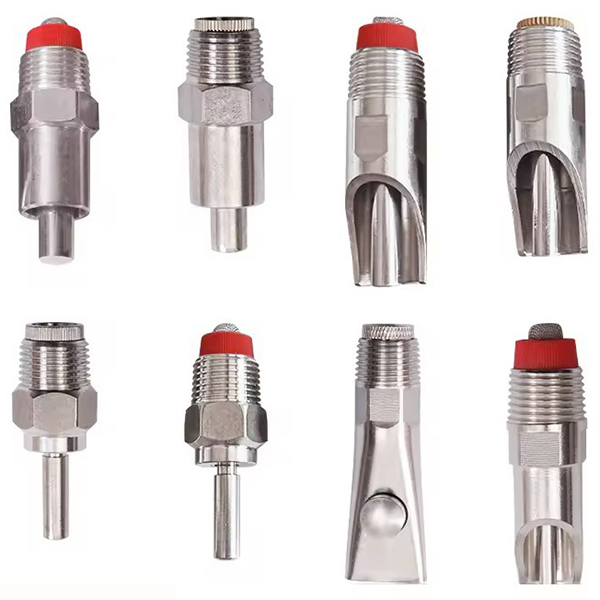


stainless steel pig nipple drinker for livestock farm
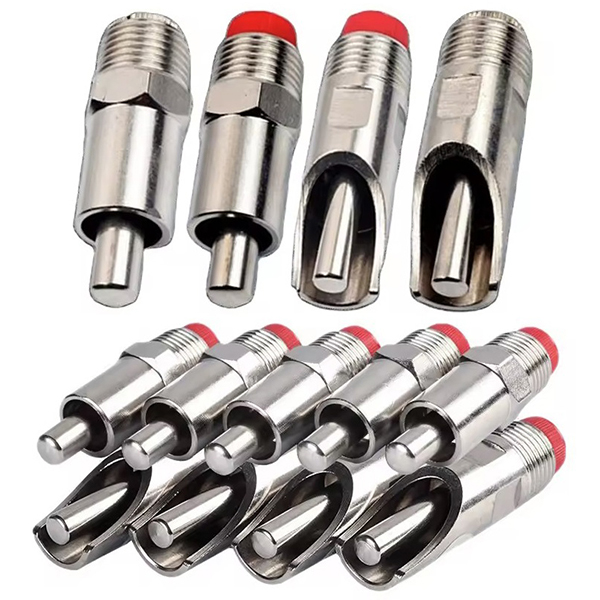
The pig nipple drinker, also called a nipple waterer or nipple valve, is an automatic water supply device designed to provide clean drinking water to pig herds and reduce waste. Common styles include nipple-type and duckbill-type drinkers, and they are widely used in pig pens, fattening barns, breeding houses, and farms of various scales.
Description
The pig nipple drinker features a compact structure, corrosion resistance, and good hygiene, and is compatible with both atmospheric-pressure and pressurized water supply systems.
Main structure and working principle of the pig nipple drinker:
- Main components: drinker body (stainless steel or engineering plastic), valve stem/valve core, sealing ball (or rubber valve plate), silicone diaphragm (or elastic sealing element), removable filter, and outer cover/cap (plastic or metal).
- Working principle: when a pig touches or bites the valve stem or duckbill, the valve stem is pushed or the duckbill is depressed, causing the valve core or ball to move away from the seat and allowing water to flow out; after the pig releases, the elasticity of the silicone diaphragm or spring returns the valve stem to its closed position, stopping the water. The filter intercepts sediment and impurities in the pipeline to protect the valve core from jamming.
Features and advantages of the pig nipple drinker:
- Easy for pigs to use: designed to match pigs’ biting behavior; pigs learn quickly and can drink independently.
- Significant water savings: dispenses water on demand, avoiding splashing and contamination from open troughs, achieving high water-saving rates.
- Good hygiene: closed or semi-closed water supply reduces feces and feed entering the water and thereby lowers bacterial growth.
- Corrosion-resistant and durable: the main body is commonly made of stainless steel or food-grade plastic, resisting corrosion and bite damage, resulting in long service life.
- Filter protection: an adjustable plastic filter intercepts sediment, reducing valve-core wear and simplifying replacement.
- Strong compatibility: suitable for atmospheric and relatively high-pressure water systems (pressure regulators or stabilizers can be fitted per model).
- Easy maintenance: simple structure makes disassembly, cleaning, and replacement of wear parts (such as silicone diaphragms, steel balls, O-rings, etc.) straightforward.
Applicable scenarios and reference technical parameters:
- Suitable animals: piglets, weaners, growers, finishers, sows, etc. (different models fit different sizes).
- Supply pressure: commonly adapted range about 0.05 MPa to 0.30 MPa (or manufacturer-specified range). It is recommended to install a pressure regulator to ensure stable water delivery.
- Single-point flow rate: typical adjustable single-point flow range is approximately 0.3 L/min to 1.5 L/min (dependent on pressure and model).
- Materials: main body stainless steel 304/316 or food-grade engineering plastic; valve core/ball made of stainless steel or wear-resistant plastic; seals made of silicone/rubber.
- Connection specifications: common sizes include 1/2″, 3/4″ or DN15, DN20, etc.; select according to pipeline interfaces.
- Operating temperature: -10°C to +60°C (depending on materials).
Installation height:
- Suckling piglets / weaners: installation height about 10–25 cm (measured to the mouth).
- Growers: installation height about 30–50 cm.
- Finishers / adult pigs: installation height about 60–90 cm.
- It is recommended to measure according to the pig’s head height; the valve outlet should be slightly below the pig’s mouth centerline to allow natural contact.
- Spacing and quantity: equip each pen or enclosure with enough drinking points based on pig density and group behavior to ensure every pig has convenient access during peak times. A common configuration in fattening houses is one drinking point per 10–20 pigs.
Installation and piping recommendations:
- Piping and pressure stabilization: the main supply line should be fitted with a sediment filter and a pressure stabilizer to avoid water hammer and prevent contaminants from entering the drinker.
- First use: flush the pipeline when first turning on the system, check for leaks and valve sticking; allow the herd to become familiar with the new drinker and, if necessary, demonstrate activation (manually trigger water).